
Send us your department list and we will suggest a mix of titles that fits the syllabus and the budget, rather than a fixed bundle.
| Name on Cheque/DD: | Akinik Publications |
| Payable at: | Delhi |
| Postal Address: | C-11/169, Sector 3, Rohini, Delhi-110085, India. |
| Mob: | +91-9711224068 |
A fauna journal subscription gives a library continuing access to periodicals that report on animal life — how species are described and classified, how populations change, how insects and fish are managed as resources, and how habitats respond to pressure. The subject sits across zoology, agriculture and environmental science, which is why a single department rarely uses the same titles as its neighbour. A zoology department wants taxonomy and systematics. A plant protection department wants applied entomology. A fisheries college wants aquaculture and fish health. All three are fauna journals, and all three are ordered from the same subscription desk.
We supply national and international print titles in this area to institutional libraries, as part of our wider journal subscription service. Rates and availability change from year to year, so the practical starting point is a quote against your own title list rather than a fixed catalogue price.
Entomology is the largest single stream inside a fauna collection, and the one most libraries underestimate. Insect research is split between pure and applied work, and a library that orders only one side ends up with gaps that readers notice quickly.
An entomology journal subscription typically brings in material on:
Agricultural universities, KVKs, state plant protection directorates and zoology departments are the usual subscribers.
Fisheries journals cover a working industry as much as a science. Aquaculture production, fish nutrition and feed formulation, breeding and hatchery management, fish pathology and disease control, post-harvest handling, and the economics of inland and marine fisheries all appear in this stream.
The subscribers are usually fisheries colleges, ICAR institutes, state fisheries departments and the aquaculture programmes inside general agricultural universities. A fisheries journal subscription is often ordered alongside environment titles, because water quality, effluent load and habitat change sit directly under fish production.
Environment titles are the broadest part of a fauna collection and the easiest to over-order. The field runs from ecology and biodiversity assessment through pollution monitoring, waste management, environmental impact assessment, conservation policy and climate-linked habitat studies.
Before ordering, decide which of those a department actually teaches. A conservation biology group and an environmental engineering group both ask for “environment journals” and need almost nothing in common. Environmental science departments, pollution control boards, forestry institutes and the environment cells inside engineering colleges are the typical subscribers of an environment journal subscription.
Diptera — the true flies — is a specialist stream within entomology, ordered mainly by libraries running systematics research or medical and veterinary entomology. A Diptera journal subscription covers fly taxonomy and revisions, morphology, biology and distribution, and the applied side: mosquitoes and other vectors, myiasis in livestock, and forensic entomology.
Specialist titles in this area often carry short print runs, so an order placed late in the subscription year may not be filled from stock. Back volumes also matter more here, because a taxonomic revision is only usable next to the earlier description it revises.
Most subscription problems start at selection, not at supply. Six checks cover almost all of it:
If you are still drawing up the shortlist, the list of subscription journals and our notes on choosing journals to subscribe to are a useful starting point.
Both formats have a place, and the answer depends on how the library is used rather than on which is newer.
| Online | ||
|---|---|---|
| Suits | Readers who browse the current-issues display | Distributed and remote users who search |
| Access | The copy on the shelf, no login | Licence-based, per the publisher’s terms |
| Network | Not needed | Required |
| Missing issue | Claim and replacement | Does not arise |
| Long term | Stays readable without renewal | Depends on the licence and archive terms |
Many institutions run both: print for the departments that browse, e-journals for the ones that search. Decide this per department rather than as a single policy for the whole library.
Yes. Ordering direct keeps one point of contact for quotes, dispatch and claims, and is simpler when the list is small. An agent is easier when a library already consolidates hundreds of titles from many publishers on a single annual purchase order, and when finance prefers one invoice over many.
We work with subscription agents and directly with institutional libraries on the same terms. Whichever route you use, keep the title list, volume year and copy count on the order itself — most delivery disputes trace back to an order that named a journal but not the volume year.
Print subscriptions are supplied issue by issue as each number is published, not as a single annual dispatch. Dispatch is by post or courier depending on the destination, and rates quoted to you already include postage and applicable taxes.
An online tracking facility is available to subscribers, which lets library staff follow a consignment and raise a query with the subscription desk without waiting for a reply on email.
Institutions that need a quotation before raising a purchase order can send the title list by email or on WhatsApp and receive current rates against it. If you would rather talk it through first, the contact page has the direct numbers for the subscription desk.
Subscriptions run on an annual basis, January to December, and are renewed for subsequent years.
Renew before the volume year turns. A renewal confirmed in November is filled from the first issue. One confirmed in February usually means chasing two issues that have already been dispatched to other subscribers.
Raise a claim while the issue is still in print. If a number does not arrive, report it with the title, volume, issue and the address it was sent to. Claims raised within the same volume year are far more likely to be filled.
All subscriptions are payable in advance and prices are subject to change without notice, so a quote obtained for one volume year should not be carried into the next.
Indexing status differs from title to title and can change over time. Check the current status on the indexing body’s own website before you finalise an order, rather than relying on a logo displayed on a journal page.
Yes. Titles are ordered individually, so a library can take only entomology, only fisheries, or any combination. There is no requirement to buy a fixed bundle, and departments within the same institution can be billed on one order.




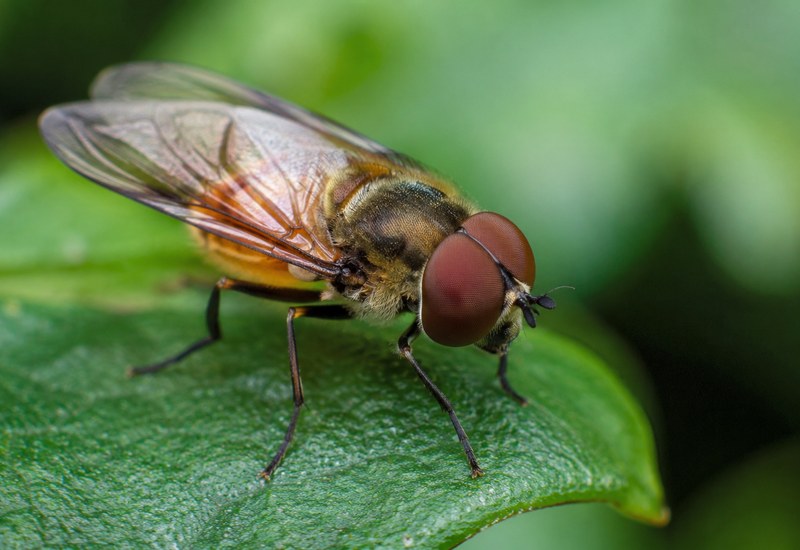 Entomology Journal Subscription
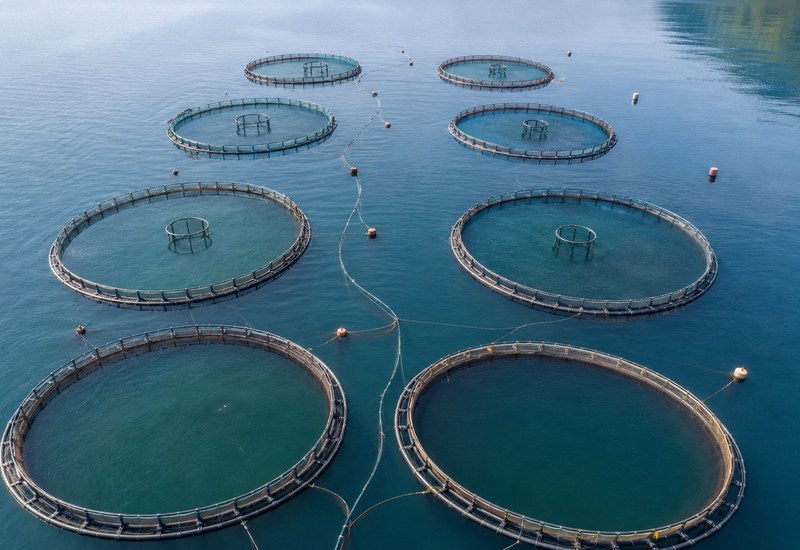 Fisheries Journal Subscription
 Environment Journal Subscription
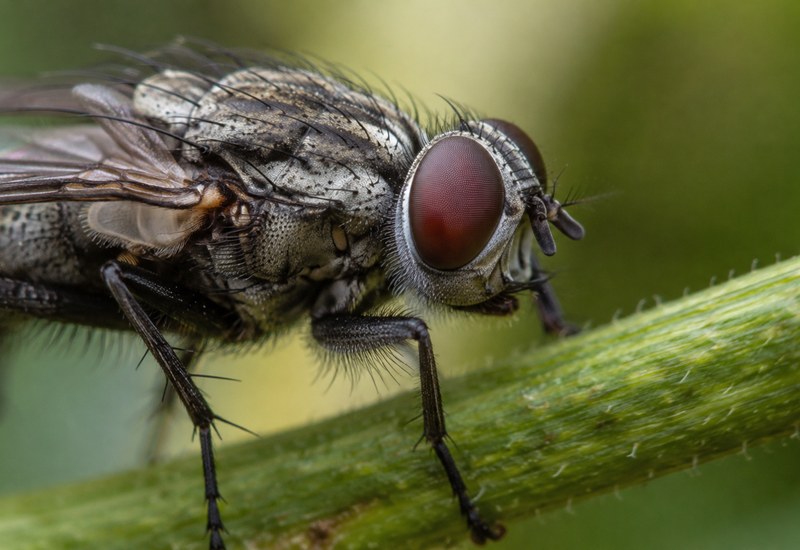 Diptera Journal Subscription